
6 minute read · Exterior painting
A wooden front-door repaint needs a sound door, a compatible exterior timber system and a practical plan for drying, security and daily access. Confirm the material first. Timber, uPVC, composite, metal and factory-finished doors are different tasks, and a general front-door article does not establish that every surface can be painted.
This guide focuses on an existing wooden door. For an exterior painting enquiry in Dundalk, send the outside face, frame and worn areas, together with any known coating details. A photograph can explain the appearance you want but may not establish condition or adhesion.
Inspect a wooden door and existing coating
Check the face, lower corners, joints and weather-exposed edges. Record flaking, staining, open joints and areas that appear softened. Does the door close and latch correctly? Painting can refresh sound joinery, but it cannot resolve poor alignment, decay or defective glazing.
Identify the old finish if possible. Opaque paint, varnish and woodstain need different compatibility questions. If it is a factory finish, check the door maker's care instructions before changing it. Darker colours can also be restricted by a particular door manufacturer; do not assume every colour in a paint range is approved for every doorset.
| Check | Why it matters | Scope decision |
|---|---|---|
| Timber and joints | Coating depends on a sound base | Assign joinery repair before painting |
| Existing finish | Controls compatibility and preparation | Name known paint, stain or varnish |
| Door operation | Wet coating and contact points need planning | Resolve catching or alignment separately |
| Glazing and seals | Must remain protected and functional | Agree exact paint boundaries |
| Frame and threshold | Different materials or wear may be present | List included components separately |
Unknown older coatings need assessment before scraping or sanding. Do not use a heat gun or abrasive preparation simply to discover what is underneath. The HSA lead guidance is relevant to uncontrolled disturbance of old paint.
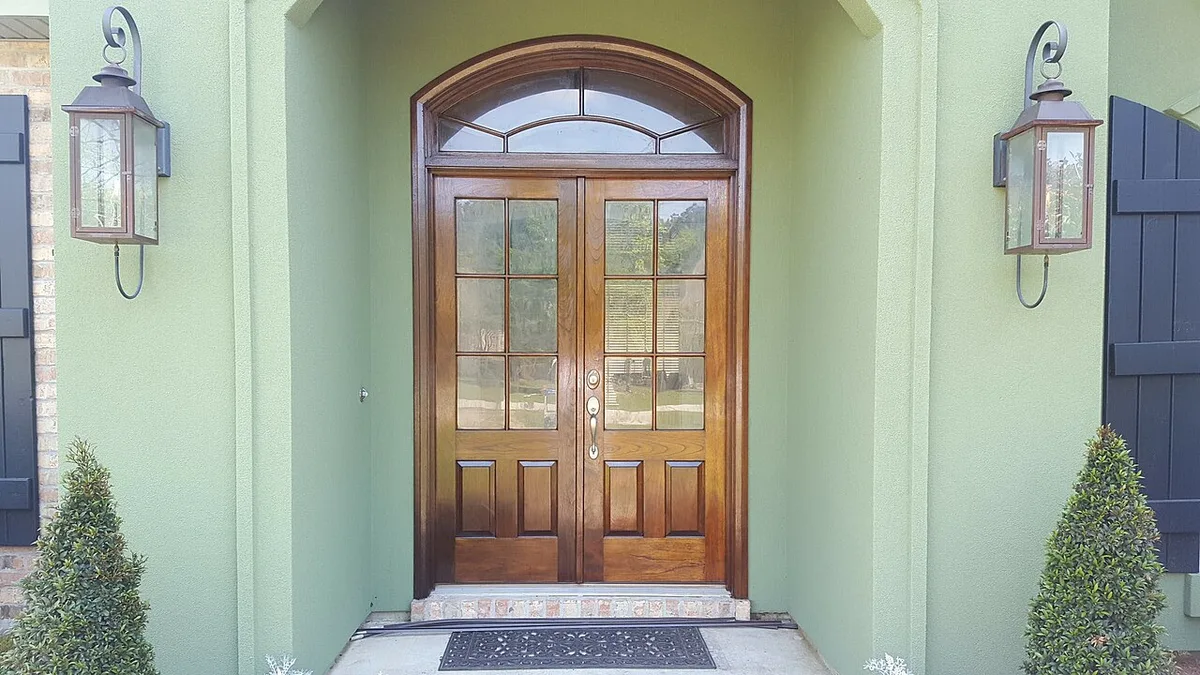

Plan hardware, protection and access
Agree what happens to handles, letter plates, knockers and locks. Removal and reinstatement responsibilities should be explicit. Protect glazing and adjacent masonry with materials suitable for those surfaces. Do not coat moving parts, drainage openings, seals or identification labels.
The door may need to remain open or avoid tight contact while the finish dries. Plan household access and security before work starts. Do not assume an entrance can be left unsecured or that a door can be removed and replaced within an unverified time. A general online recommendation to remove the leaf is not a complete plan for an occupied home.
The Dulux Ireland Weathershield Exterior Satinwood information specifically cautions against tightly closing newly painted doors and windows until fully dry. Follow the actual selected product's requirements, including the effect of temperature and humidity, rather than treating touch-dry as permission to close every contact edge.
A hypothetical entrance has one door, no alternative access and a household member returning late. The repaint plan must resolve security and contact drying before the first coat, not at the end of the afternoon. If no workable arrangement exists, timing needs to change.
Select a suitable exterior timber system
Choose an exterior coating approved for the identified door and retained finish. The primer, undercoat and topcoat should form a compatible specification. Interior trim paint is not automatically suitable merely because it has the colour or sheen you want.
The Dulux Weathershield wooden-door guidance describes a named preparation and coating approach. Its related Irish Exterior Satinwood page identifies a water-based finish recommended for front doors and windows. These are examples to assess, not a requirement that every door receives that product.
For an opaque colour over a stained or varnished door, check both adhesion and stain migration. A sound clear finish may be assessed for retention with a suitable system; failing clear coating needs a different preparation decision. See the doors and skirting workflow for the general compatibility branches, while retaining an exterior-specific product choice.
Test colour outside beside the roof, frame and masonry. A sample pot may represent colour in a different formulation, so verify the final exterior product. The colour plan should list door leaf, frame and any contrasting details separately. Do not assume the outside and inside faces must match.
Apply only when both surface and weather meet the selected system's limits. Allow time for preparation, primer, recoat stages and the final contact restrictions. A brief dry spell may not support the entire sequence.
The Crown Trade Fastflow Quick Dry Eggshell technical sheet provides another named exterior-wood system example. It distinguishes new timber from previously decorated wood and says freshly painted doors should remain open until the paint is fully dry. That supports treating preparation and contact drying as separate planning decisions. It does not approve every door or establish the household access arrangement.
Exclude unconfirmed uPVC spraying or door fitting
This article does not advertise uPVC respraying, composite-door refinishing, door fitting or specialist restoration. Those tasks require their own confirmed capability and specification. A timber-door enquiry should not quietly expand into them because a reference photo shows another material.
Likewise, a weathered timber sill or adjacent window frame is a separate item. Use the exterior woodwork guide to list those details and their conditions. The painting scope should say exactly which parts are included and what remains for another trade.
- Door material and previous finish identified as far as possible.
- Timber condition and any repair dependency recorded.
- Exterior-compatible preparation and coating system selected.
- Hardware and glazing protection responsibilities clear.
- Daily access, security and drying contact resolved.
- Colour, faces, edges, frame and exclusions written down.
Write a contact-point plan
List where the fresh coating could meet another surface: stops, seals, latch edges and the frame. Establish which are painted and how they remain clear until suitable for contact. This small check connects the coating instructions to the actual door, rather than treating a broad drying estimate as a complete handback plan.
Front-door repaint questions
Can the inside face have a different finish? It can be a separate design and specification decision. Record which face and edges belong to each coating, and check both systems are appropriate where they meet. The door maker's restrictions still apply. A different inside colour should not create an unplanned paint boundary around seals or contact edges.
Does the door have to be removed? Not automatically. Material, condition, access, hardware and the intended method determine the plan. Removal also introduces lifting, security and reinstatement responsibilities. Establish those explicitly rather than assuming they are included in painting or following an overseas guide's removal advice without considering the actual entrance.
Can a new colour hide an uneven old finish? It changes colour, but ridges, runs and damage may remain visible, particularly in side light. Discuss the achievable preparation and appearance on the existing door. A sample or representative test area can help set expectations without promising that paint will make worn joinery look newly manufactured.
Exterior painting: discuss your surfaces and scope. Contact the team with your area and photographs.