
6 minute read · Exterior painting
Exterior woodwork needs a coating system suited to the actual timber, previous finish and exposure. List the doors, window frames, sills, fascias or other details individually, then check condition and access. Interior trim paint and fence treatment should not be assumed suitable for every outdoor timber surface.
For an exterior painting enquiry in Dundalk, close-ups of worn joints and a wider photograph of each item are useful. State what is timber and what is another material if known. Similar-looking details can need different products and responsibilities.
List the actual timber details
Separate door leaves, frames, opening windows, sills and fixed trim. Identify which faces and edges are included, and whether the piece is accessible from ground level. A quotation for "outside woodwork" can otherwise conceal a large difference in what is expected.
| Item | Detail to record | Separate responsibility to clarify |
|---|---|---|
| Door and frame | Faces, edges, hardware and old finish | Operation, locks and any joinery repair |
| Window frame | Opening or fixed sections, glazing and seals | Fitting, glazing repair and access |
| Timber sill | Condition, end grain and water-shedding shape | Decay or failed joint repair |
| Fascia or other high trim | Material, height and nearby services | Appropriate safe access |
| Garden structure | Timber type and previous treatment | Whether the coating and service scope suit the item |
Do not identify a sill only by its paint colour. Stone, concrete and timber require different assessment. Metal or uPVC beside timber is also a separate substrate. The proposed scope should name each material rather than allowing a broad phrase to imply a multi-surface service.
Assess condition and previous coatings
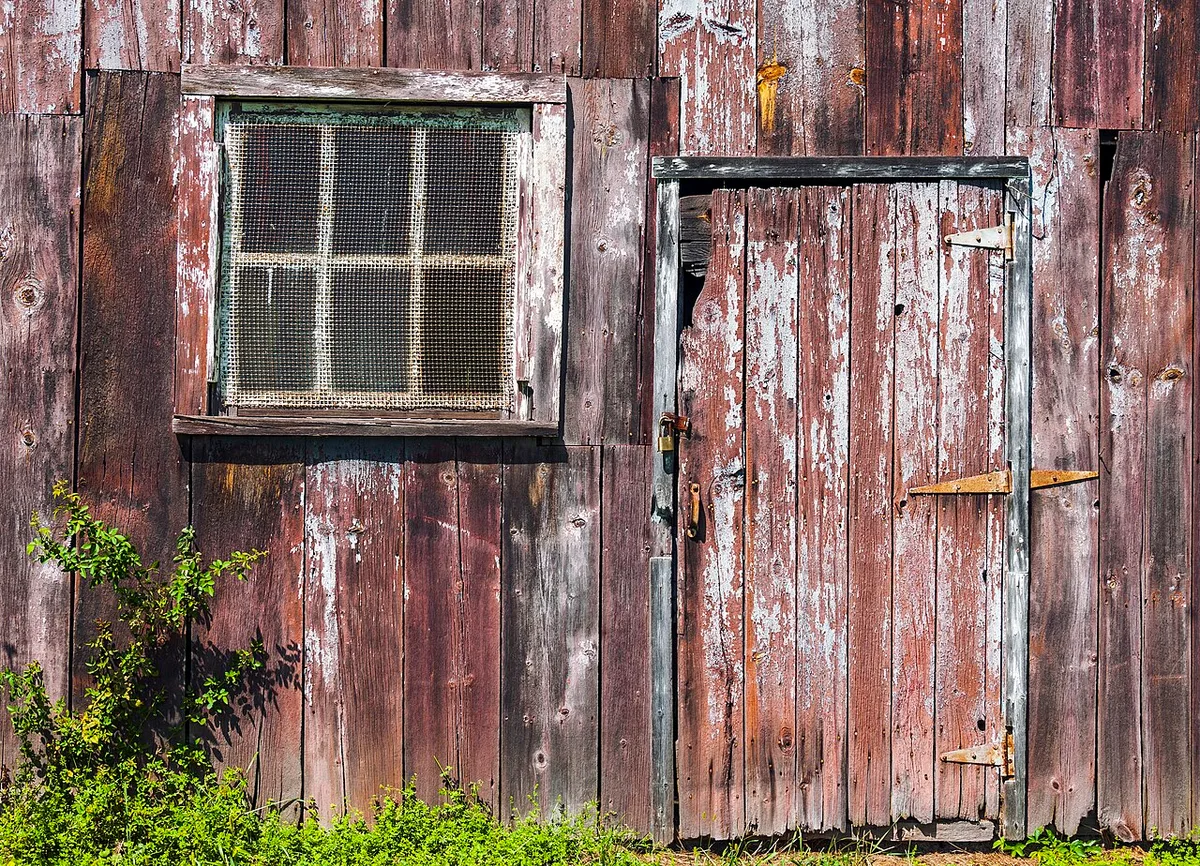
Look for lifting paint, open joints, water staining and areas that appear soft or damaged. Record where the problem is concentrated. Repeated failure at the bottom of a frame suggests a different investigation from even weathering across a sound face. A coat of paint does not restore decayed timber or a leaking glazing detail.
Establish whether the retained finish is paint, stain, varnish or factory coating. Opaque paint over clear or stained timber can need both adhesion and stain-control decisions. Do not assume that a darker colour solves an incompatible layer underneath.
The manufacturer Edward Bulmer exterior woodwork guidance describes its own primer and topcoat sequence. It illustrates why a complete exterior system matters. Its products and preparation instructions are not a universal recipe for unrelated finishes.
Unknown older coatings need assessment before disturbance. Stop if hazardous material is suspected rather than using aggressive preparation to reveal the substrate. The HSA lead guidance explains the risk from uncontrolled old-paint disturbance.

Exposure, preparation and maintenance
Exposure varies across one house. A sheltered door under a porch and a sill receiving direct rain may not weather at the same rate. Check the whole component, including vulnerable joints and accessible edges, rather than judging only the broad face.
Choose cleaning and preparation for the identified material and system. Loose coating needs an appropriate assessed approach; a sound retained layer may not need wholesale removal. Bare patches, knots and stained areas can have different primer requirements. Any filler must be suitable for exterior timber and the intended movement and topcoat.
Do not fill a deep decayed area as though it were a cosmetic dent. Seek the appropriate repair assessment and establish who is responsible. Once repair is complete, follow the repair material and coating requirements for readiness, not an invented standard waiting period.
The Dulux Ireland Exterior Satinwood information names a water-based exterior wood and metal finish and a related bare-wood undercoat. That is a specific system example. Its restrictions on weather and closing freshly coated joinery must be considered alongside its decorative appearance.
After painting, keep a record of product, colour and included surfaces. Inspect exposed edges and joints for early wear or renewed water staining. Maintenance should respond to condition and the selected system, rather than a promise that every component will last the same number of years.
The Crown Trade Fastflow Quick Dry Eggshell technical sheet explicitly approves suitably prepared exterior wood and separates its new-wood and previously decorated-wood preparation. That is a useful second system example when comparing retained sound paint with exposed timber patches. Its water-based description does not remove the need for those substrate-specific branches or for its stated weather conditions.
Distinguish the specification from interior woodwork
Outside timber faces rain, sunlight and changing moisture conditions. The approved substrate and exposure range should be explicit on the product information. A familiar indoor satin finish is not automatically suitable outside, and a masonry coating should not be treated as a timber finish without product approval.
For front doors, the wooden-door guide adds security and hardware planning. For fence runs, the fence workflow covers rough and planed timber, previous treatment and garden protection. Those tasks share some principles but do not share every coating.
A hypothetical project includes a painted timber door, two concrete sills and a stained timber gate. A clear scope assigns three substrate/finish decisions rather than one tin for "all outside woodwork". If the gate's coating or the concrete condition is uncertain, record that uncertainty before pricing the final application.
Pressure-treated timber and previously coated window sills
Pressure treatment does not itself establish that new timber is ready for decorative coating. Ask the timber supplier and coating manufacturer what readiness checks and surface restrictions apply. Newness, colour and a fixed number of weeks outdoors are not universal tests. Any existing water-repellent treatment also needs a compatibility check.
For previously coated sills, identify the material and check where the coating fails. Flaking at a joint, recurring wetting and a worn exposed face are different observations. Retain only suitable sound layers and establish any repair dependency before choosing the repaint system. Avoid blocking drainage paths or painting functional seals.
If a coating manufacturer permits a particular damp-timber fence treatment, that does not permit the same condition on a painted window sill. Product-specific exceptions must remain attached to the named product and its actual use.
Exterior woodwork questions
Can one product cover the door and fence? Only if its current specification approves both identified substrates, old treatments and uses. A door system may be inappropriate for a rough fence, while a fence treatment may not suit joinery contact and weathering details. Compare the permissions, not just the colour availability.
Should every old layer be removed? Not automatically. The condition and compatibility of retained layers determine the preparation. Wholesale removal introduces its own damage and safety questions. The aim is a suitable sound base for the chosen system, with unsafe or specialist disturbance assessed separately.
Are high fascias included with the walls? Only when the written scope says so. Confirm material, height, safe access, coating and any repairs separately. A ground-level photograph can describe the item without requiring you to climb for a close inspection or assume a particular access method.
Exterior painting: discuss your surfaces and scope. Contact the team with your area and photographs.