
6 minute read · Exterior painting
An exterior needs attention when its condition calls for it, rather than when a universal number of years has passed. Inspect coating wear, exposed material, cracking, flaking and recurring stains, then separate a decorative refresh from defects that need assessment first. Different elevations can reach that point at different times.
A product protection claim is not a repaint appointment for every house. Preparation, substrate, exposure and the precise system all matter. For a Dundalk home, keep a simple photo record so changes can be compared rather than guessed from memory.
Look for wear rather than a calendar promise
Start with an ordinary walk around the property from safe ground-level positions. Look at corners, openings, lower wall bands and exposed timber edges as well as the broad colour. Note what has changed since the last inspection and whether the coating remains attached.
| Observation | Likely next action | What it does not establish |
|---|---|---|
| Colour looks tired but coating is sound | Consider a planned decorative refresh | That the whole system has failed |
| Small local coating damage | Assess cause and suitable local repair | That every elevation needs repainting |
| Widespread flakes or loose layers | Assess adhesion and extent before specifying paint | That a stronger topcoat is enough |
| Recurring damp or staining | Investigate the source before recoating | That mould-resistant paint resolves moisture |
| Cracked, loose or deteriorating substrate | Arrange appropriate building assessment | That paint can stabilise it |
Chalking, dirt and biological growth can look similar at a distance but lead to different cleaning and preparation decisions. Do not rub or scrape unknown older material to diagnose it. Photograph the area in context and record the conditions in which it appears.
A decision to refresh the colour can be valid before failure appears. It should still include a condition check and compatible preparation. There is no need to wait until sound material becomes exposed merely to reach a notional repaint year.
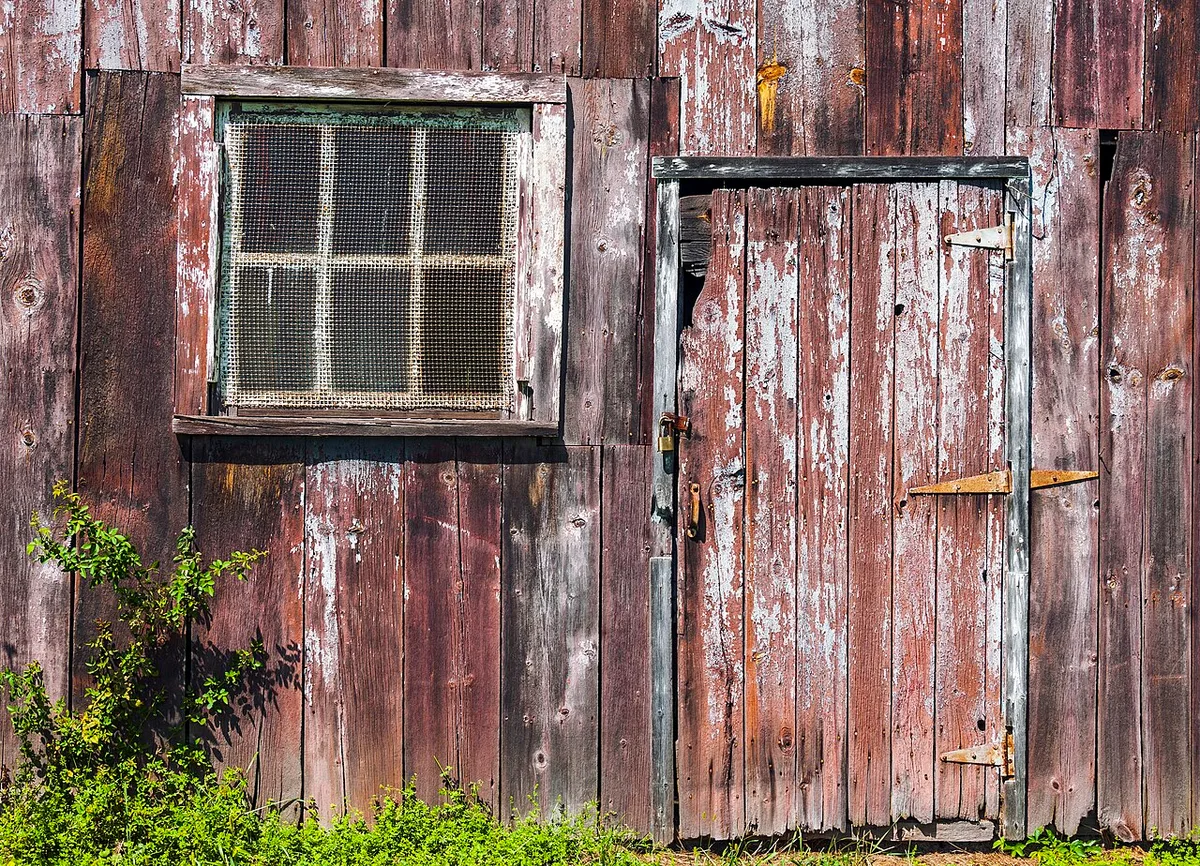

Compare sheltered and exposed surfaces
An open face receiving direct weather may age differently from a sheltered wall beneath an overhang. A shaded damp recess may show growth while a sunny face mainly shows colour change. Timber contact edges, horizontal sills and masonry walls also behave differently.
Keep comparisons specific. Record which elevation, material and detail you are inspecting. If only the front face is tired, assess the implications of a partial repaint rather than assuming all sides are equally worn. A visible colour difference may still make a full elevation preferable to scattered touch-ups.
The Little Greene Intelligent Masonry information describes performance for its own system. The Dulux Trade Weathershield Smooth Masonry page also carries a product protection claim. Neither should be converted into a universal service-life guarantee for an unknown existing coating.
Hypothetical example: the rear wall remains sound, the front has faded and a timber sill has a small flaking edge. The sensible plan can contain three separate actions: monitor the rear, discuss a front colour refresh and assess the sill's local condition. A fixed "repaint everything every five years" rule would lose that useful distinction.
Check recurring defects before recoating
A patch that returns in the same place needs more than a note of its age. Compare the pattern with nearby water-shedding details, previous repairs and changes in materials. Distinguish the observation from the suspected cause, then obtain the assessment needed to settle it.
Use the flaking exterior paint guide when coating detaches or a previous repair repeatedly fails. A painting plan may need to wait for a gutter, coping, render or joinery issue to be resolved by the appropriate person. This guide does not diagnose damp or structural movement.
A cosmetic cover-up can hide useful evidence. Photograph a recurring mark before cleaning or repainting it, and keep any old product details. If the underlying layer is unsound, the next topcoat cannot turn it into a dependable base. Do not extend a local product claim to an unresolved building defect.
If the previous finish is unknown and safe disturbance is uncertain, stop preparation pending assessment. The age of the last visible topcoat does not establish the age or composition of layers beneath it.
Plan condition-led maintenance
Keep a short record with date, location, photograph, observation and next action. Use the same viewpoints where practical so small changes are easier to see. Add the actual paint name, colour and coating date when available. Avoid recording guesses as established causes.
- Inspect vulnerable details after noticeable damage or a new leak.
- Use routine opportunities to compare exposed and sheltered areas.
- Follow the named coating's cleaning and maintenance guidance.
- Address a local defect before relying on a new finish coat.
- Record whether the next action is monitoring, assessment, repair or repainting.
- Keep repair responsibilities separate from decoration.
For fences, the fence preparation and aftercare guide includes a timber-specific maintenance branch. Fence panels and house walls should not be given one shared lifespan because they happen to be painted at the same time.
For a planned exterior repaint in Dundalk and nearby areas, these records help explain the scope. Photos are a starting point; adhesion, substrate condition and access may need checking at a visit.
A useful maintenance entry
Here is a hypothetical record, not a customer property: "Rear elevation, lower corner beside downpipe. New dark stain visible after rain; paint still attached. Photograph includes downpipe and paving. Next action: arrange the relevant water-source assessment before considering repainting." A separate front entry could say "Colour faded evenly; coating appears firm; discuss decorative refresh after condition check." The entries do not diagnose either wall. They preserve the difference between a change of appearance and a possible defect, so the next conversation starts with useful facts. Add the date of your own observation and return to the same viewpoint when checking whether the pattern has changed.
Exterior maintenance questions
Should I repaint before selling? Decide from visible condition, repair dependencies and the likely scope rather than assuming a full repaint is necessary. A sound exterior may only need a separate cleaning discussion, while recurring defects should be addressed honestly. A decorative refresh is not evidence that hidden building problems have been repaired.
Can a small patch be touched up? Sometimes, if the retained coating is suitable and the cause is resolved. Colour, sheen and weathering can make a repair visible even with the same named colour. Assess a representative area and consider natural boundaries instead of promising an invisible match.
Does a long-life label mean no maintenance? No. Read the named product's conditions, preparation requirements and exclusions. Keep inspecting joints, water-shedding details and exposed edges. A protection statement should not be used to ignore local damage or to guarantee the life of every surface on a property.
Exterior painting: discuss your surfaces and scope. Contact the team with your area and photographs.