
6 minute read · Hiring and project planning
Before selling, repaint the surfaces whose visible condition needs attention rather than assuming the whole house needs a new colour. Start with marks, worn woodwork and incomplete decoration, then decide what can be finished properly before photography and viewings. Painting improves presentation; it cannot guarantee a sale price or return.
For a home in Dundalk or nearby, keep the decoration brief separate from the valuation discussion. Your selling agent can advise on the local market and presentation priorities. A painter can discuss the surfaces, preparation and scope needed to carry out the chosen work.
Identify visible wear before decorating
Walk through in the order a viewer might use, beginning at the entrance. Look at walls in normal daylight and under the lights likely to be on during viewings. Record scuffs, patchy repairs, damaged edges and worn door frames. Take ordinary room photographs rather than dramatic close-ups alone.
Sort each observation into cleaning, decorating or investigation. A sound wall with light surface dirt might need suitable cleaning rather than recoating. Failed paint, water marks and recurring cracks need a different decision. Do not cover evidence of an unresolved problem to make listing photographs look cleaner.
Check whole surfaces. A small touch-up can show against aged paint, particularly in side lighting. If a local patch will remain conspicuous, discuss a complete wall or another sensible boundary. Repeatedly enlarging a patch can spend time without producing an even result.
Prioritise rooms and surfaces
Make a short list that reflects the actual property. The hall may show heavy wear; another home may have a sound entrance but a sitting room with unfinished repairs. Avoid a fixed room ranking that ignores condition.
| Condition | Possible priority | Question before spending |
|---|---|---|
| Scuffed entrance walls | Clean or repaint complete affected surfaces | Is the existing coating suitable for cleaning? |
| Sound spare bedroom | May remain unchanged | What problem would repainting solve? |
| Worn doors and frames | Defined woodwork scope | Which faces and components need work? |
| Bold but sound room | Discuss presentation preference | Does the agent recommend a change for this home? |
| Water stain or peeling | Investigate before decoration | Has the cause been resolved? |
List must-have work separately from optional rooms. This makes a smaller complete project easier to discuss if time or budget is limited. Avoid starting several areas that cannot be properly finished before the photographer arrives.
An Irish perspective on repainting everything
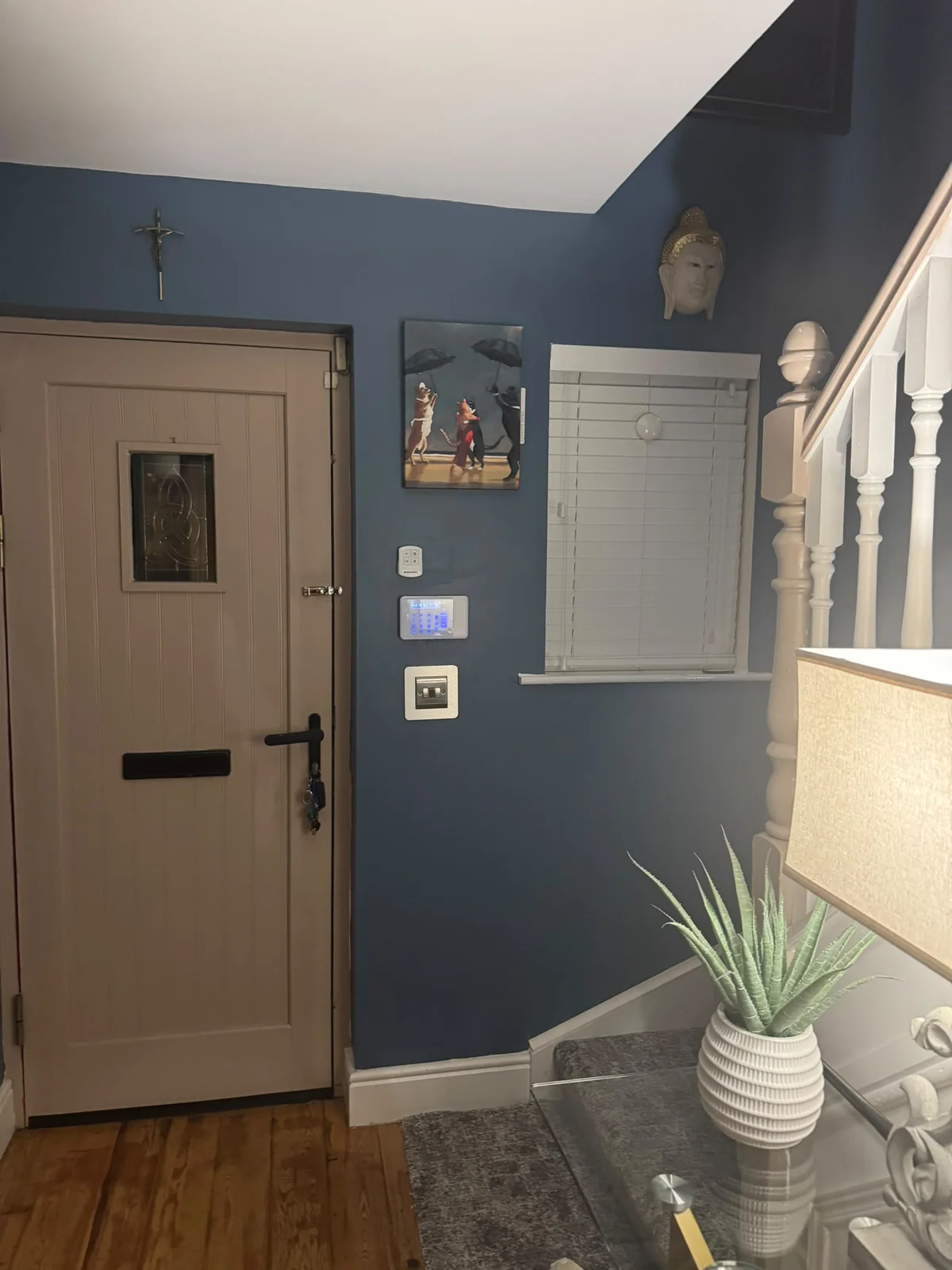
In Sherry FitzGerald's Drogheda advice on painting before a sale, colour consultant Niamh Courtney questions the assumption that every home should lose its personality. Her advice is to consider whether an existing considered scheme works with the property's furnishings and character, rather than automatically replacing it with a blank pale scheme.
That is a useful question for your own brief: is the problem worn decoration, or simply a personal colour you assume buyers will dislike? Ask your selling agent about the actual property. A room can be distinctive and well presented, while an unconsidered fashionable neutral can clash with fixed flooring or timber.
We do not carry the article's suggested coat counts or cost comparisons across to your home. Those depend on the selected products and actual scope. Its value here is the task-specific principle of making a deliberate presentation decision instead of repainting every sound surface by default.
Test a coherent colour scheme
You do not need to erase every individual choice. Aim for a scheme that works with fixed flooring, kitchen fronts, tiles and the light already in the property. A white that looks clean on a phone may look cold or yellow beside existing finishes.
Shortlist a small number of samples and view them in the room at different times. The Dulux tester guidance distinguishes colour testing from checking whether the chosen colour is available in the required finish. Confirm both before buying the main materials.
Look through adjoining doorways when testing connecting spaces. The hall, landing and rooms beyond are seen together. A simple schedule records wall colour, ceiling colour and woodwork finish, reducing accidental mismatches when decisions happen quickly.
Do not choose solely for a photograph. People will see the home in person and under changing light. Screens and edited listing images are poor substitutes for a sample beside the actual floor and woodwork.
Keep the budget separate from resale promises
Set a decorating budget you are comfortable spending without a promised uplift. Online percentages claiming that paint adds a fixed amount to property value do not establish what will happen in your sale. Market conditions, condition and buyer preferences differ.
Compare quotations against the same rooms and surfaces. Confirm preparation, materials and access arrangements. If one proposal includes woodwork and another covers walls only, the headline totals cannot establish value.
A worked priority exercise
Hypothetical example: a homeowner has a marked hallway, sound bedrooms and one sitting-room wall with a visible repair. The initial brief is to assess the hallway coating, repaint the sitting-room wall if a patch will show, and list optional hallway woodwork separately. The bedrooms stay outside the first scope because no specific decorating problem has been identified. This is a planning example, not a claim about a completed sale.
- Write the visible issue for each proposed surface.
- Identify investigation or repair needed first.
- Ask what a complete finish requires.
- Confirm timing before photography and furniture movement.
- Keep optional work separate from the priority scope.
When the selling programme is tight, discuss what is feasible before fixing a date. Drying, recoat and careful-use requirements still apply. A smaller completed job is easier to present than wet paint or unfinished preparation during a viewing.
Continue with Choosing paint colours with samples, How long does interior painting take?. Our interior painting service in Dundalk explains the work you can enquire about.
Questions about painting before selling
Do I have to repaint every room a neutral colour?
No universal rule requires that. Consider condition, the existing coherent scheme and advice about your particular property. A sound room may need no change. Test any proposed colour against fixed finishes and avoid assuming that a fashionable neutral automatically presents the home better than its existing scheme.
Does repainting guarantee a higher sale price?
No. This guide makes no sale-price or return guarantee. Set a scope and budget you can evaluate on their own, and discuss market expectations with your selling agent. Decoration is one part of presentation and cannot establish how buyers will value the property.
Should I hide a water mark before photographs?
Resolve and document the cause before decorating. An unexplained stain is an investigation issue, not simply a photographic flaw. Once the background is ready, discuss a suitable stain-blocking and finishing system. Do not use paint to cover unresolved defects just because a listing deadline is close.
Interior painting: discuss your surfaces and scope. Contact the team with your area and photographs.