
6 minute read · Exterior painting
A suitable exterior painting day needs more than a dry forecast. The surface must be ready, the chosen product's application limits must be met and the weather must remain suitable while that coat dries. Check temperature, rain, humidity, dew, wind and direct sun against the actual coating system.
There is no single calendar date or universal temperature rule for every exterior paint. Masonry paint, timber primer and fence treatment can have different limits. For a Dundalk project, use a local forecast as one part of the decision, then assess the wall or timber itself.
Read product-specific application limits
Make a short weather card for every product stage. Record the permitted conditions, required surface state, recoat interval and restrictions during drying. Include primer, repair materials and topcoats. The most restrictive stage can determine whether the proposed work window is useful.
For example, the Dulux Trade Weathershield Smooth Masonry product page states its own restrictions involving temperature, rain, fog and relative humidity. Those are conditions for that formulation, not permission to apply another product under the same limits. Check the current local label and technical sheet before use.
| Product stage | Information to record | Reason to check it separately |
|---|---|---|
| Repair material | Curing and overcoating requirements | A new patch may not be ready when the old wall is |
| Primer or stabiliser | Temperature, dryness and drying conditions | Its window may differ from the finish |
| First finish coat | Application limits and rain resistance | A shower claim is not full cure |
| Next coat | Minimum recoat time and surface readiness | Cool or humid conditions can alter progress |
| Return to normal use | Handling, cleaning or contact restrictions | Touch-dry does not mean fully hardened |
Check surface readiness and exposure
After rain or washing, sheltered areas and recesses can remain damp after exposed faces look dry. Check the actual material and the product's requirements rather than guessing a standard wait from the last shower. New timber and new render introduce additional readiness questions.
Air temperature and surface temperature are different. A sunlit wall may become much warmer than the forecast suggests, while a shaded wall can stay cool. The Little Greene Intelligent Masonry advice recommends avoiding full sun and warm surfaces for its system. This supports planning around exposure rather than chasing the hottest part of the day.
Dew and mist matter even when rain is unlikely. A low overnight temperature or damp evening can affect a fresh coating after work has stopped. Wind can also shorten working time, carry dust and make protection or safe access more difficult. A sunny icon by itself does not resolve those conditions.
Do not treat a moisture meter reading as universal without the correct material setting, interpretation and product limit. Likewise, a water-drop test specified for one fence treatment is not a complete readiness test for masonry. Use the relevant method for the identified substrate and selected system.
Allow for recoat and drying stages
Work backwards from the end of the useful weather window. If a coating needs time before rain or low temperatures, starting late in the afternoon may leave too little suitable drying time even when the application itself is quick. Preparation and protection also need time before the first coat begins.
Recoat times generally describe conditions stated by the manufacturer. Do not assume that a listed interval will always be achieved in a cool, damp side passage. Check that the first coat has reached the specified state before another layer is applied. A heavy application is not a reliable way to compensate for a short window.
Hypothetical example: the morning is dry, a shaded rear wall is still damp from washing, and showers are forecast later. A shower-resistant topcoat does not make the wall ready. The decision may be to wait, or to assess a different ready area within the agreed plan. It is not to shorten the specified preparation or drying stages.
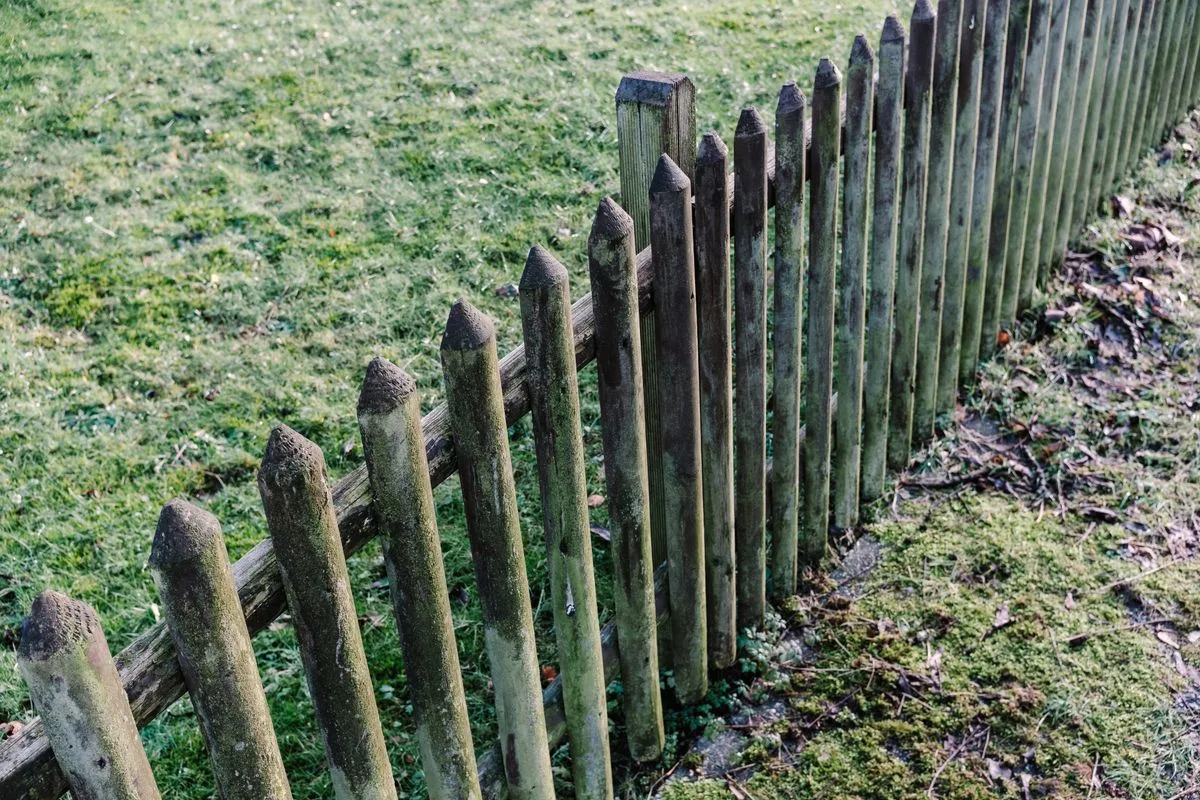
For fence timber, follow the fence preparation and painting guide alongside the selected treatment's weather instructions. The wall and fence do not necessarily become ready at the same time, even in the same garden.
Plan for a changing weather window
Use the Met Éireann Dundalk forecast to review hourly rain, temperatures and wind alongside the wider forecast and warnings. Met Éireann describes forecast model data as guidance. It cannot guarantee conditions at a particular wall or replace a site readiness check.
- Check the forecast before planning each coat, including the following night.
- Assess the actual surface and exposure at the working area.
- Recheck if showers, mist, wind or sun change the conditions.
- Keep any access or protection arrangements suitable for the weather.
- Do not change a coating system or dilution simply to force a deadline.
- Discuss postponement and revised stages when the window is unsuitable.
There is no fixed number of dry days that suits every material and system. A practical plan records the decision points rather than promising that all exterior work happens in one uninterrupted run. See exterior preparation for the checks that must be complete before coating.
Booking ahead for spring and allowing weather contingency
Spring can be a useful time to plan, but the month does not guarantee readiness. Use the lead-in period to settle the surfaces, colour, access and any repair dependencies. A late colour decision or unresolved gutter defect can use up a suitable window just as easily as rain.
Tell the painter about events, travel, visitors or landscaping work that affect access. Ask how provisional timing and weather changes will be discussed. Do not assume a booked week means paint will be applied regardless of conditions, or that an enquiry guarantees a particular start date.
For exterior painting in Dundalk and nearby areas, the useful first message names the property area, the surfaces and any timing constraints. Photos help start the assessment, while the actual sequence depends on condition, access and suitable product conditions.
Practical questions
Is a dry afternoon enough for one coat?
Only if the surface is ready and the product's application and drying requirements fit the whole window. Consider evening dew, rain and temperature changes after work stops. A short application time does not remove the need for suitable conditions while the film forms.
Can a shower-resistant paint go onto a wet wall?
A rain-resistance statement describes a stage after correct application; it does not approve a wet substrate. Check the selected product's required surface condition independently. Washing, rain and shaded recesses can leave the wall unsuitable even when the forecast looks dry and the paint advertises rapid shower resistance.
Does booking in spring guarantee a start date?
No season guarantees suitable weather or a ready surface. Settle the scope, colour, access and repair dependencies early, then discuss timing and weather contingency. Any proposed date needs to be understood alongside those practical conditions rather than treated as permission to paint regardless of the forecast.
Exterior painting: discuss your surfaces and scope. Contact the team with your area and photographs.