6 minute read · Preparation and surface problems
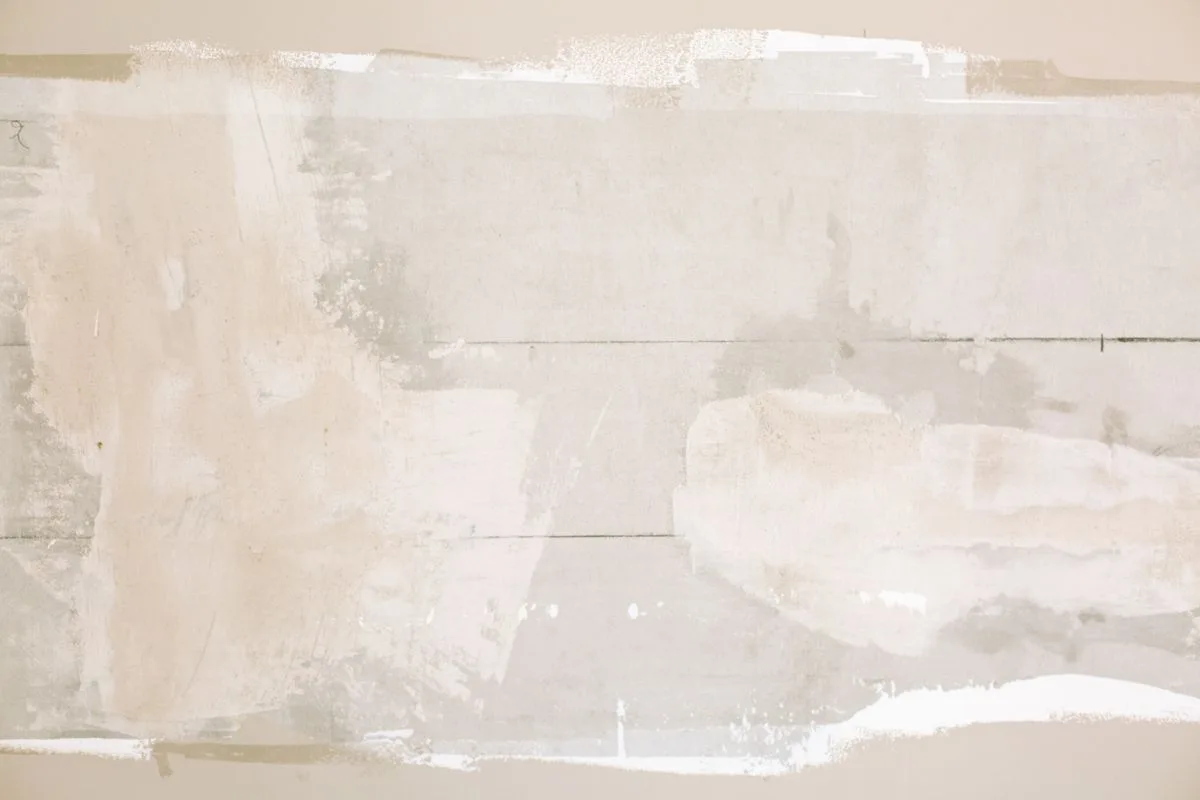
After wallpaper removal, assess the exposed wall before painting. Remaining adhesive, torn plasterboard paper, damaged plaster and mixed repair patches can all affect the next coating. A wall with no wallpaper left on it is not automatically ready for emulsion.
For a room in Dundalk or nearby, show the wall after removal and explain who carried out the work. If removal is still planned, agree its scope separately from painting. The condition underneath may change the preparation needed.
Assess adhesive and paper residues
Look for remaining backing, shiny adhesive traces, raised seams and areas that behave differently when cleaned. Do not infer cleanliness from a dry surface looking plain. Residue can be transparent and still matter to the coating system.
Identify the background before choosing a cleaning method. Saturating damaged plasterboard paper or repeatedly wetting a fragile surface may create another problem. Unknown older finishes or materials need assessment before abrasive preparation.
Sherwin-Williams' post-wallpaper guide identifies adhesive and surface damage as important preparation issues. Its product suggestions and general waiting times relate to that guide; they are not universal instructions for every Irish wall.
Record what adhesive or removal products were used if known. Cleaning residues also need consideration. Do not apply paint over a damp, sticky or uncertain background simply because stripping took longer than expected.
Check damage to the underlying surface
Inspect under ordinary room lighting and side light. Look for torn board paper, gouges, loose plaster, ridges and older repairs. Distinguish a sound rough texture from weak material. Paint can hide colour differences but cannot flatten a ridge or repair unsound plaster.
| Exposed condition | Preparation question | Before choosing paint |
|---|---|---|
| Adhesive traces | Appropriate removal or specified sealing? | Identify residue and compatible system. |
| Torn board paper | How is damaged paper treated? | Assess before wet coatings or filler. |
| Loose plaster | What repair is needed? | Establish sound background. |
| Many shallow defects | Local making-good or broader repair? | Agree who does it and to what finish. |
| Staining or damp | What caused it? | Resolve investigation before decoration. |
Do not assume a skim coat is always necessary, or that spot filling is always enough. The extent and quality of the background determine the repair scope. If plastering is needed, clarify responsibility and readiness before painting.
Making-good and compatible preparation
A suitable system addresses the actual condition. Cleaning, repairs, sealing and finish coats have different roles. A sealer intended for one problem is not a universal substitute for removing loose paper or repairing damaged plaster.
Zinsser Gardz is a concrete example of a product specified for certain problem backgrounds, including wallcovering adhesive residue and damaged drywall paper. The manufacturer requires a clean, dry, sound background and lists its compatible uses. That scope is more precise than saying any primer will do.
Confirm whether the product is intended to penetrate and seal, block a particular stain or provide opacity. Gardz dries clear, so it should not be mistaken for an opaque white base merely because it is a preparation product.
Ask how repaired areas will be brought into the finished surface. Different suction or texture can make patches show through an otherwise uniform colour. Assess the prepared wall before adding repeated finish coats.
Use the exact coating's recoat and application requirements. A clean wall still wet from washing is not ready simply because the paint tin has a short drying interval. The background and the coating each have their own readiness questions.
Confirm who carries out removal or repairs
Agree whether the painting scope begins after removal or includes any removal work that has been specifically confirmed. Do not assume stripping, plaster repair and decoration are one service. New damage found during removal may require a revised assessment.
Write down the handover condition between people doing the work. “Wallpaper removed” can mean different things: face paper removed, backing remaining or all layers and appropriate residues addressed. Explain which applies.
Hypothetical example: a homeowner removes wallpaper from two walls. One reveals sound plaster with adhesive traces; the other reveals torn plasterboard paper and old repairs. The next step is to assess the two backgrounds separately, agree compatible preparation and only then finalise the painting scope.
- Record what remains and identify the substrate.
- Investigate damp or weak material.
- Agree repairs and their owner.
- Specify suitable residue treatment or sealing.
- Inspect the prepared wall.
- Finish complete agreed surfaces.
Write an exposed-wall handover record
Divide each room into walls or other clear areas and record what is left. For example: wall one, sound plaster with residue awaiting treatment; wall two, damaged paper face awaiting assessment; wall three, retained sound paint. This is more useful than saying the room has been stripped.
Agree who carries out any broader repairs before promising a final decoration date. If a repair scope changes, update the painting enquiry with photographs. Do not assume a price discussed before removal includes every condition subsequently revealed.
A trial preparation area may help evaluate the proposed system where the manufacturer supports it. Record what was used and how the background behaved. A successful small area still does not certify unseen material elsewhere, particularly when the room contains several different backgrounds.
Before finish coats, inspect the complete prepared wall under the light it will normally receive. Look at the repair boundaries and remaining texture rather than only checking whether the old pattern has gone. That inspection can identify a physical problem while it is still a preparation decision.
The desired outcome is a clearly described, suitable background. It need not involve identical treatment everywhere, and it should not rely on a final coating hiding unresolved damage.
Questions after wallpaper removal
Can I paint over wallpaper glue?
Do not treat visible or uncertain adhesive as a normal paint-ready wall. Suitable removal or a specifically compatible preparation system may be needed. The correct decision depends on the residue and background. A manufacturer-listed residue sealer is a defined option, not permission to ignore loose or contaminated material.
Should I sand the whole wall?
Not automatically. First identify the background and any hazards. Broad sanding may damage paper faces or disturb unknown old coatings. Assess the defects and use an appropriate preparation method for the material. A smooth-looking wall is not sufficient if its retained layers are weak.
Will I need a plasterer?
Possibly, if the exposed wall needs repairs beyond ordinary making-good. The extent cannot be established before removal simply from the wallpaper's appearance. Photograph the exposed condition and clarify responsibilities. Painting and plaster repairs should have an agreed handover rather than an assumption that one automatically includes the other.
Continue with Paint over wallpaper or remove it first?, Primer versus undercoat. Our interior painting service in Dundalk explains the work you can enquire about.
Interior painting: discuss your surfaces and scope. Contact the team with your area and photographs.